

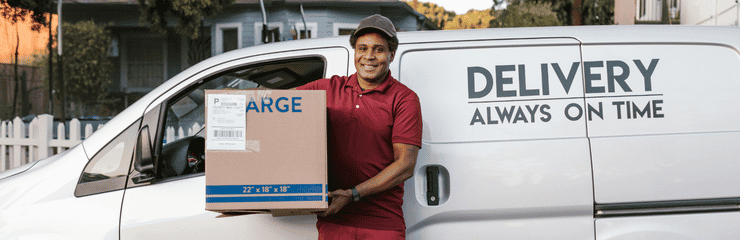
The delivery sector has evolved significantly in recent years. Beyond leaving parcels at the front door, many delivery drivers now enter customers’ homes to install appliances, assemble furniture, deliver medical equipment, or provide specialised services. This increased level of access has raised important questions around trust, safety, and background screening. As a result, DBS Checks for Delivery Drivers are becoming an increasingly important consideration for employers across the UK.
While not every delivery role requires a DBS check, businesses should assess the risks associated with drivers entering private homes and interacting with customers.
Why Trust Is Essential for Delivery Drivers
Customers often allow delivery drivers into their homes, sometimes when they are alone or vulnerable. This creates a significant level of trust between the customer and the company providing the service.
Delivery drivers may have access to:
- Private residences
- Elderly or vulnerable customers
- Personal property and possessions
- Sensitive customer information
- Building access codes and security details
Employers have a responsibility to minimise risks and demonstrate that appropriate recruitment checks have been carried out.
What Are DBS Checks?
The Disclosure and Barring Service (DBS) helps employers make safer recruitment decisions by providing criminal record information where legally permitted.
Depending on the role, employers may request:
- Basic DBS checks
- Standard DBS checks (where eligible)
- Enhanced DBS checks (for specific regulated activities)
For many delivery positions, a Basic DBS check is the most common form of screening.
When Are DBS Checks Relevant for Delivery Drivers?
Not all delivery drivers will require DBS screening. However, employers may choose to use DBS checks where drivers regularly enter customers’ homes or have contact with vulnerable individuals.
Examples include:
- Furniture delivery and assembly teams
- White goods installation services
- Medical equipment delivery staff
- Home adaptation contractors
- Care-related transport and delivery services
A role-based risk assessment can help determine whether screening is appropriate.
Supporting Tenant and Customer Safety
One of the key benefits of DBS Checks for Delivery Drivers is increased customer confidence. Businesses that conduct appropriate background screening demonstrate a commitment to safety and professionalism.
DBS checks can help organisations:
- Reduce recruitment risks
- Strengthen safeguarding practices
- Protect brand reputation
- Improve customer trust
- Support internal compliance policies
Although DBS checks cannot guarantee future behaviour, they form an important part of a broader recruitment strategy.
Additional Recruitment Checks
DBS screening should not be used in isolation. Employers should also consider:
Identity Verification
Confirming the driver’s identity helps prevent fraud and supports compliance.
Employment History Checks
Previous work history may highlight relevant experience and reliability.
Reference Checks
References provide valuable insight into a candidate’s conduct and professionalism.
Driving Licence Verification
Ensuring drivers hold valid licences is essential for legal and operational reasons.
Managing Risk in Vulnerable Customer Settings
Some delivery drivers regularly interact with vulnerable adults, elderly residents, or individuals with disabilities. In these situations, safeguarding considerations become even more important.
Businesses should establish:
- Clear conduct policies
- Customer safeguarding procedures
- Staff training programmes
- Reporting mechanisms for concerns
These measures help create a safer environment for customers and employees alike.
Streamlining DBS Checks
For organisations managing large delivery teams, handling background checks manually can be time-consuming. Professional DBS services can help simplify the process and ensure consistency.
Using https://clearcheck.co.uk/ allows businesses to manage DBS applications efficiently while supporting safer recruitment and compliance objectives.
This can be particularly beneficial for companies with national delivery networks or growing workforces.
Conclusion
DBS Checks for Delivery Drivers Entering Private Homes are becoming increasingly relevant as delivery services expand beyond simple doorstep drop-offs. Where drivers have access to private residences or interact with vulnerable individuals, background screening can help strengthen trust and support safer recruitment.
By combining DBS checks with identity verification, references, and robust safeguarding procedures, employers can protect customers, reduce risks, and enhance confidence in their services.
FAQ
Do delivery drivers legally require DBS checks?
Not always. The requirement depends on the nature of the role and its responsibilities.
What type of DBS check is usually used for delivery drivers?
Basic DBS checks are commonly used where employers choose to conduct screening.
Why are DBS checks important for home delivery services?
They help support customer safety and demonstrate responsible recruitment practices.
Should delivery companies use other checks alongside DBS screening?
Yes. Identity verification, references, and driving licence checks are also important.
How can businesses manage DBS checks efficiently?
Using services such as https://clearcheck.co.uk/ can streamline DBS processing and improve recruitment workflows.
