

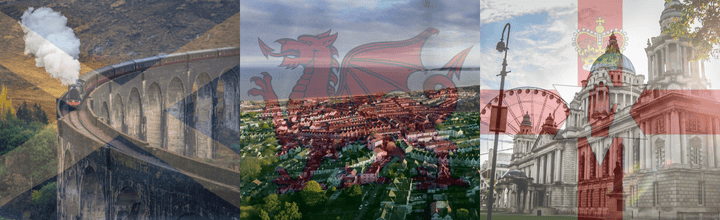
When recruiting staff for regulated or trust-based roles, background checks are a legal and safeguarding necessity across the UK. However, while the term “DBS check” is widely used, the system differs depending on whether the individual lives or works in England and Wales, Scotland, or Northern Ireland. Understanding these differences is essential for UK employers operating across borders.
DBS Checks in England and Wales
In England and Wales, criminal record checks are carried out by the Disclosure and Barring Service (DBS). There are three main levels of DBS check: Basic, Standard, and Enhanced.
Basic checks show unspent convictions, while Standard and Enhanced checks include spent convictions, cautions, warnings, and reprimands. Enhanced checks may also include relevant information held by local police and, where applicable, a check of the DBS barred lists for work with children or vulnerable adults.
How Scotland Uses Disclosure Scotland
Scotland operates a separate system managed by Disclosure Scotland. Instead of DBS checks, individuals apply for criminal record checks under the Scottish disclosure framework.
Disclosure Scotland offers Basic, Standard, and Enhanced disclosures, similar in purpose to DBS checks. However, Scotland also operates the Protecting Vulnerable Groups (PVG) Scheme, which is a membership-based system rather than a one-off check. PVG membership is mandatory for individuals working regularly with children or protected adults in Scotland.
Criminal Record Checks in Northern Ireland
Northern Ireland uses AccessNI to process criminal record checks. As with the other regions, checks are available at Basic, Standard, and Enhanced levels.
AccessNI Enhanced checks include police-held information and barred list checks where relevant. While the structure is similar to DBS, employers must ensure they apply through the correct authority, as DBS certificates are not interchangeable with AccessNI disclosures.
Why Employers Must Use the Correct Check
One of the most common compliance mistakes employers make is requesting a DBS check for someone working in Scotland or Northern Ireland. Each jurisdiction has its own legal framework, and using the wrong service can result in invalid checks and safeguarding failures.
Employers recruiting across the UK should align checks with where the role is based, not where the organisation is headquartered.
Managing Multi-Region Compliance
For organisations operating across multiple UK regions, managing different disclosure systems can be complex. Partnering with a specialist provider such as https://clearcheck.co.uk/ helps ensure the correct checks are requested, processed efficiently, and remain compliant with local regulations.
Clear guidance and consistent internal policies also reduce delays and protect organisations from legal risk.
Conclusion
While DBS checks are commonly referenced across the UK, Scotland and Northern Ireland operate their own criminal record disclosure systems. Understanding how DBS checks differ across Scotland, Wales, and Northern Ireland is essential for lawful recruitment, safeguarding, and maintaining trust. Employers who use the correct disclosure service for each region are better positioned to stay compliant and protect those in their care.
Frequently Asked Questions
Can I use a DBS check for a role in Scotland?
No. Roles based in Scotland require a Disclosure Scotland check or PVG membership.
Are DBS, AccessNI, and Disclosure Scotland checks the same?
They are similar in purpose but operate under different legal systems and are not interchangeable.
Which check should I use for remote workers?
The check should usually be based on where the role is legally based, not where the worker lives.
Do all regions have barred list checks?
Yes, but they are managed by different authorities depending on the UK region.
Can one provider manage all UK checks?
Yes. Specialist services like https://clearcheck.co.uk/ can manage DBS, Disclosure Scotland, and AccessNI checks under one process.
