

A recent report from Parliament showed that far fewer people had signed up to use the DBS Update service which had been hoped for. The reasons for this are unknown, but part of the reasons may be down to the fact that people don’t understand the benefits of DBS Update and can’t see how it might benefit them. Here are five of the reasons why you should consider paying the annual subscription to the service.

Careers in Pharmacy
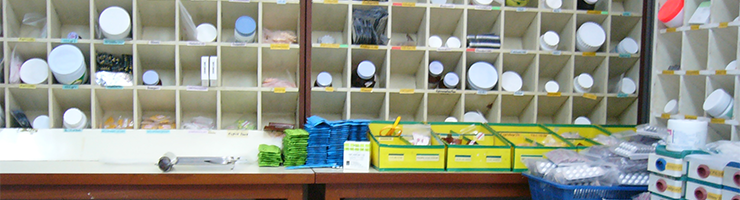
Think back to your teenage years. Very few of us have a clear career path set out at the stage of our lives when we’re sitting exams and having fun with our friends, and drift into doing degrees at University which play to our strengths, the subjects we were good at in school. Science types might end up on a pharmacy degree, learning all about drugs and how they work on the human body. But what sort of careers can you do with a degree in pharmacy?

Can I Choose What sort of DBS I Have?
Nearly everyone working in the UK is aware that there is a system in place of carrying out background checks on people who are going to be working in certain professions. This system is all about protecting the more vulnerable members of our society, such as children or adults who can’t speak up for themselves. The organisation which looks after the police checks in England and Wales is the Disclosure and Barring Service, more commonly abbreviated to DBS. A DBS check is often seen as a test of character as well as looking into your criminal past, with mentions of clean DBS checks being seen more frequently on CVs and other documents. So surely it makes sense to opt for the most detailed level of check, so you can prove to any prospective employer that you have no skeletons in the closet?

Back To School – Do I Need a New Disclosure?
As soon as September starts, thoughts turn to getting the kids back to school. We happily wave our kids off, trusting that the people looking after them are suitable to take care of them. From a teacher’s point of view, it’s the start of another school year, with a new intake of pupils and new members of staff. It’s a busy time of year. But does the start of a new school year mean that it’s time to renew DBS paperwork too?

Hiring a Tutor – What You Need to Know
Our kids are more tested than ever. Starting with SATS in Year 2, it’s a constant process of testing and exams until A-levels, or Highers if you’re in Scotland. Some kids sail through the exams with the bare minimum of revision and study, whereas others find it much more challenging. Parents can of course help to some extent, but when your child is studying at an advanced level in a subject you’ve no experience with, expert help is often preferred. Getting a tutor is a very popular option, but this isn’t always as straightforward as it seems.

Applying for a DBS When You Don’t Have a Passport

There are a huge number of jobs and voluntary positions which require a DBS check to be done, covering everything from working as a carer to taking an administrative position in some medical settings. For many people, getting their DBS checks completed and signed off won’t be a problem. But for some people, especially young people who have not long left school, this can be more of a challenge. The first part of any DBS check is proof of identity – establishing your name, and that the person applying for the DBS matches the photograph on the identification. Usually, the forms of identification asked for are either passport or driving licence, but what happens when you have neither?
How Should My Employer be Storing my DBS Data?
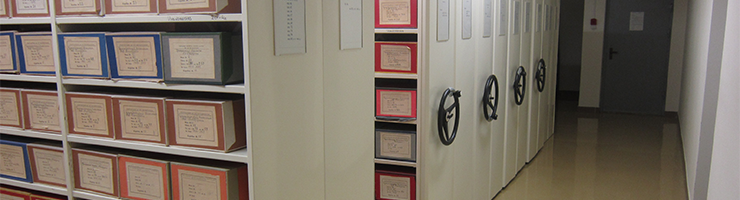
You can’t fail to have noticed that there’s been a change in the law around data protection with the introduction of GDPR in May 2018. This is the reason why you’ve been getting all of those emails asking you to agree to continue receiving marketing material and being asked to agree to cookies every time you log onto a new website. GDPR is a way of protecting us from having our data shared without our consent and there are implications for all sorts of organisations which store personal information such as our names, addresses and phone numbers. There isn’t much data which is more sensitive than information which is shown on a DBS form, which as well as having our name, date of birth and address, may well have information about crimes we have committed in the past. So, what should employers do to be keeping this information safe?

Traffic Wardens – The Most Hated Profession?
Everyone’s got their own story about a run-in with a traffic warden, getting a ticket which they felt was unfair, or being targeted after being 5 minutes late returning to their car. Traffic wardens – or Civil Enforcement Officers to give them their correct name – have to try to keep our cities running by making sure people aren’t parking where they shouldn’t. It’s not an easy job but can be a good employment option for people who like being outdoors, want to keep fit and don’t mind dealing with the public.
Should everyone working in a charity shop have a DBS check?
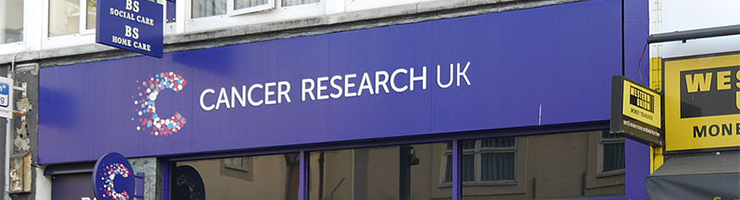
Part of the fall-out from the revelations about abuse by overseas aid workers was concerns raised about the potential for abuse to be repeated in charity shops up and down the UK. Many of the larger charities pride themselves on being inclusive, and welcoming volunteers who are under the age of 16 or classed as vulnerable adults. So, what is the current situation in the UK, and should you be asking if your local charity shop staff are DBS checked?
5 Jobs You Didn’t Know You Needed a DBS For
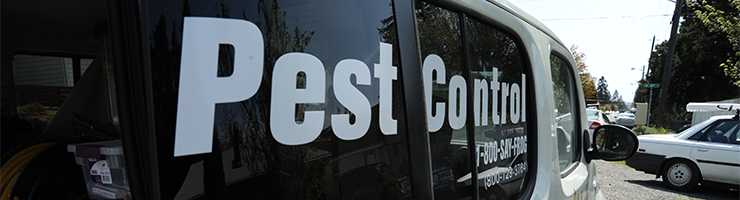
It’s fairly common knowledge that people applying for jobs in schools or care homes will need to undergo police checks to make sure that they are suitable for the job. This checking is done by the Disclosure and Barring Service (DBS) in England and Wales, PVG in Scotland, and AccessNI in Northern Ireland. Aside from the standard roles in teaching and healthcare, there are some more unusual roles which require DBS checking too.
